March 17, 2026
Large cleanup projects can generate more waste than many people expect. Whether you're renovating a home, managing a construction site, or tackling a major property cleanout, having the right waste disposal solution is essential. Renting a dumpster can simplify the process by providing a centralized location to dispose of debris efficiently and safely.
Understanding what to watch out for before scheduling a rental can make the entire process smoother. By learning from common missteps, property owners and contractors can better prepare for their projects and manage waste effectively. In this article, we will discuss several mistakes to avoid when booking a 30 yard dumpster rental and how to plan ahead for a successful project.
Underestimating the Amount of Waste
One of the most common mistakes people make when planning a dumpster rental is underestimating how much debris their project will produce. Renovations, roofing jobs, landscaping projects, and large cleanouts can quickly generate piles of waste that exceed initial expectations.
A 30 yard dumpster rental is designed to hold a significant amount of material, typically around nine pickup truck loads of debris. This size often works well for major remodeling projects, estate cleanouts, or construction work. However, if the volume of waste exceeds the container’s capacity, additional dumpsters may be required.
Taking time to estimate debris volume in advance can help prevent delays and additional rental costs. When in doubt, discussing the scope of the project with the rental company can help determine whether a 30-yard container is the appropriate choice.
Ignoring Weight Limits and Material Restrictions
Dumpster rentals are not only limited by space but also by weight. Every container has a maximum weight allowance that determines how much debris can safely be transported. Ignoring these limits can result in overage charges or logistical issues when the dumpster is picked up.
Heavy materials such as concrete, dirt, roofing shingles, and bricks can quickly add significant weight to a container. Even if a dumpster appears to have room for more debris, exceeding the weight limit may lead to additional fees.
Some materials may also be restricted or prohibited entirely. Hazardous items such as chemicals, batteries, and certain electronics often require special disposal procedures. Before scheduling a 30 yard dumpster rental, reviewing the company’s list of acceptable materials can help avoid complications during pickup.
Waiting Until the Last Minute to Book
Another frequent mistake is waiting too long to schedule a dumpster rental. During busy seasons such as spring, summer, and early fall, demand for dumpsters can increase significantly due to construction projects and home renovations.
Delaying the booking process can make it more difficult to secure the size and delivery date needed for your project. If the rental company has limited inventory available, customers may need to adjust their timelines or settle for a container that does not fully meet their needs.
Planning ahead allows property owners to coordinate dumpster delivery with other project milestones. Reserving a 30 yard dumpster rental in advance helps confirm that the container arrives when it is needed, allowing the project to move forward without interruption.
Choosing the Wrong Dumpster Size
Selecting the wrong container size can create unnecessary challenges during a project. Renting a dumpster that is too small may require multiple pickups or replacements, which can increase costs and slow down progress.
On the other hand, renting a container that is much larger than necessary may take up valuable space on a property or driveway. While larger containers can provide extra capacity, they may not always be the most practical option for certain job sites.
A 30 yard dumpster rental is often considered a versatile middle-ground option because it can accommodate substantial debris while remaining manageable in size. Consulting with the rental provider about the type of project and expected waste volume can help determine whether this container size is the best fit.
Overlooking Placement and Accessibility
Where the dumpster is placed can affect how efficiently debris is removed from the project site. Some customers make the mistake of selecting a location that is difficult to access or inconvenient for loading materials.
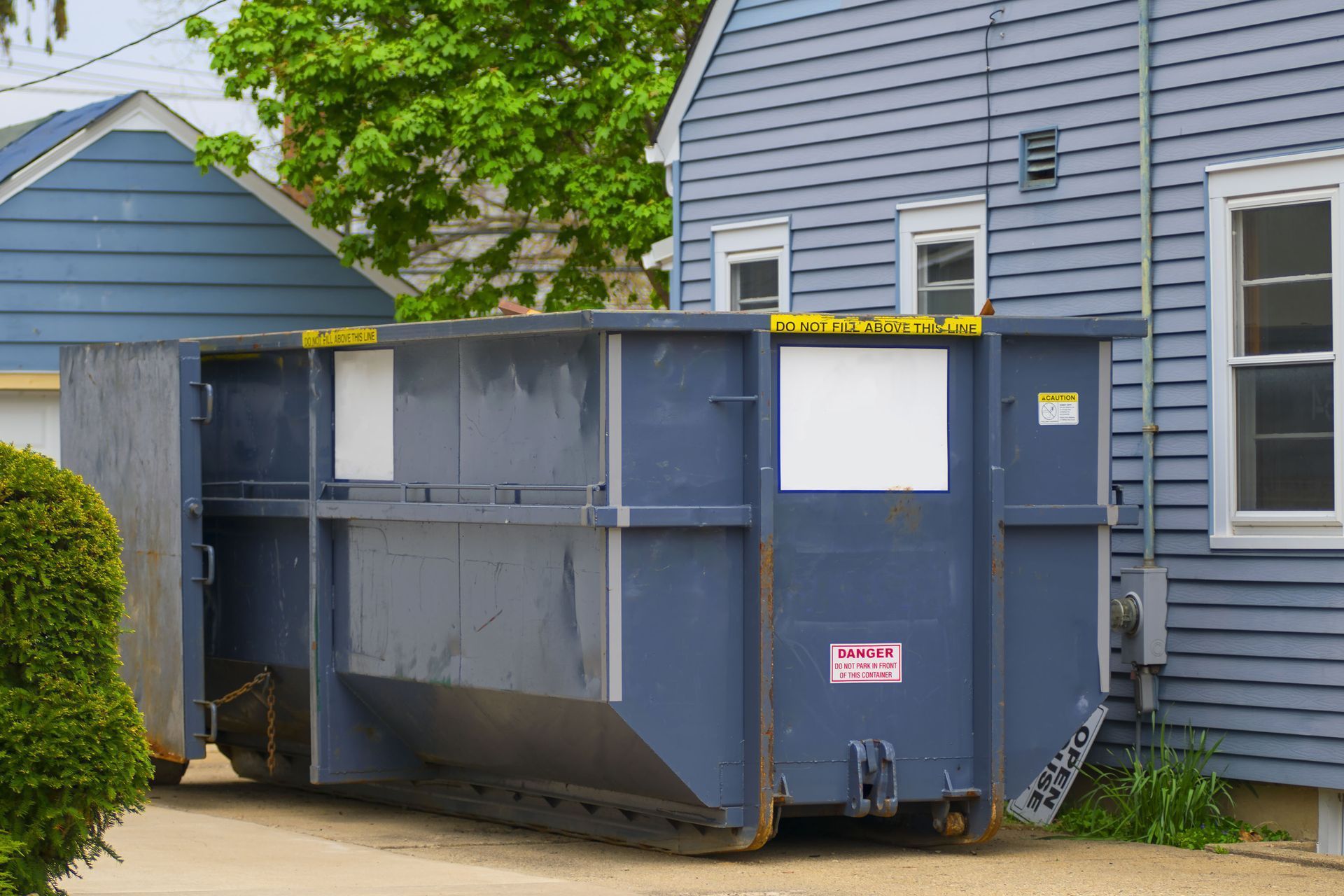
Dumpsters are often placed in driveways, construction areas, or designated parking spaces. It is important to confirm that the chosen location has enough clearance for the delivery truck and provides adequate space for loading debris safely.
In some cases, local regulations may require permits if a dumpster is placed on a public street. Checking these requirements in advance can help prevent delays or potential fines. Proper planning helps confirm that the 30 yard dumpster rental is placed in a location that supports both safety and convenience.
Overfilling the Dumpster
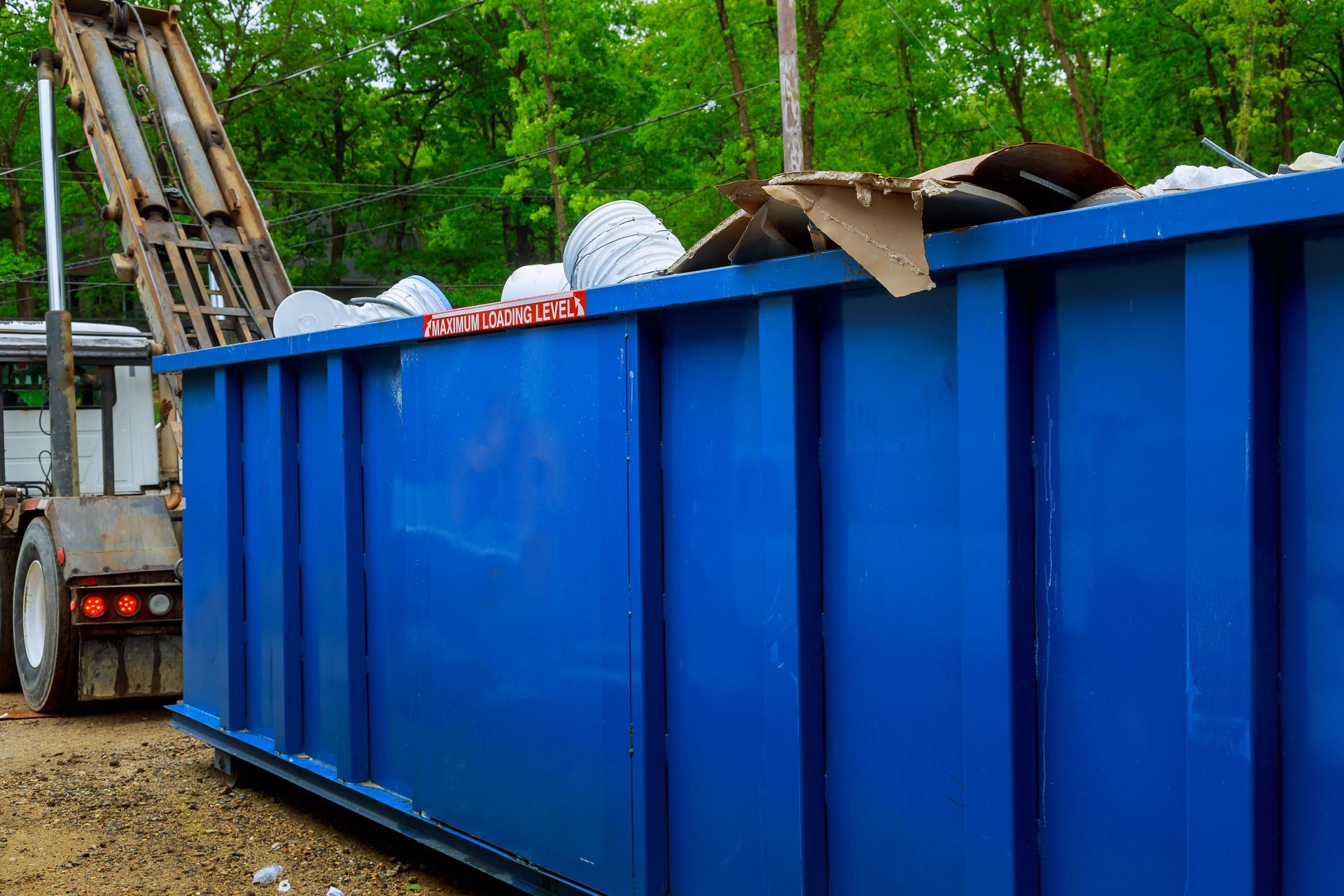
Another mistake people make is filling the dumpster beyond its designated capacity. Dumpsters have fill lines that indicate the maximum level for safe transportation. Exceeding this limit can create safety concerns and may result in additional fees.
Overfilled containers may not be able to be transported by the rental company because debris could fall during transit. In these situations, customers may need to remove excess material before the dumpster can be hauled away.
Keeping the debris level with the top edge of the container helps avoid these issues. Planning how materials will be loaded into the dumpster can also maximize space without exceeding capacity.
Failing to Sort and Organize Debris
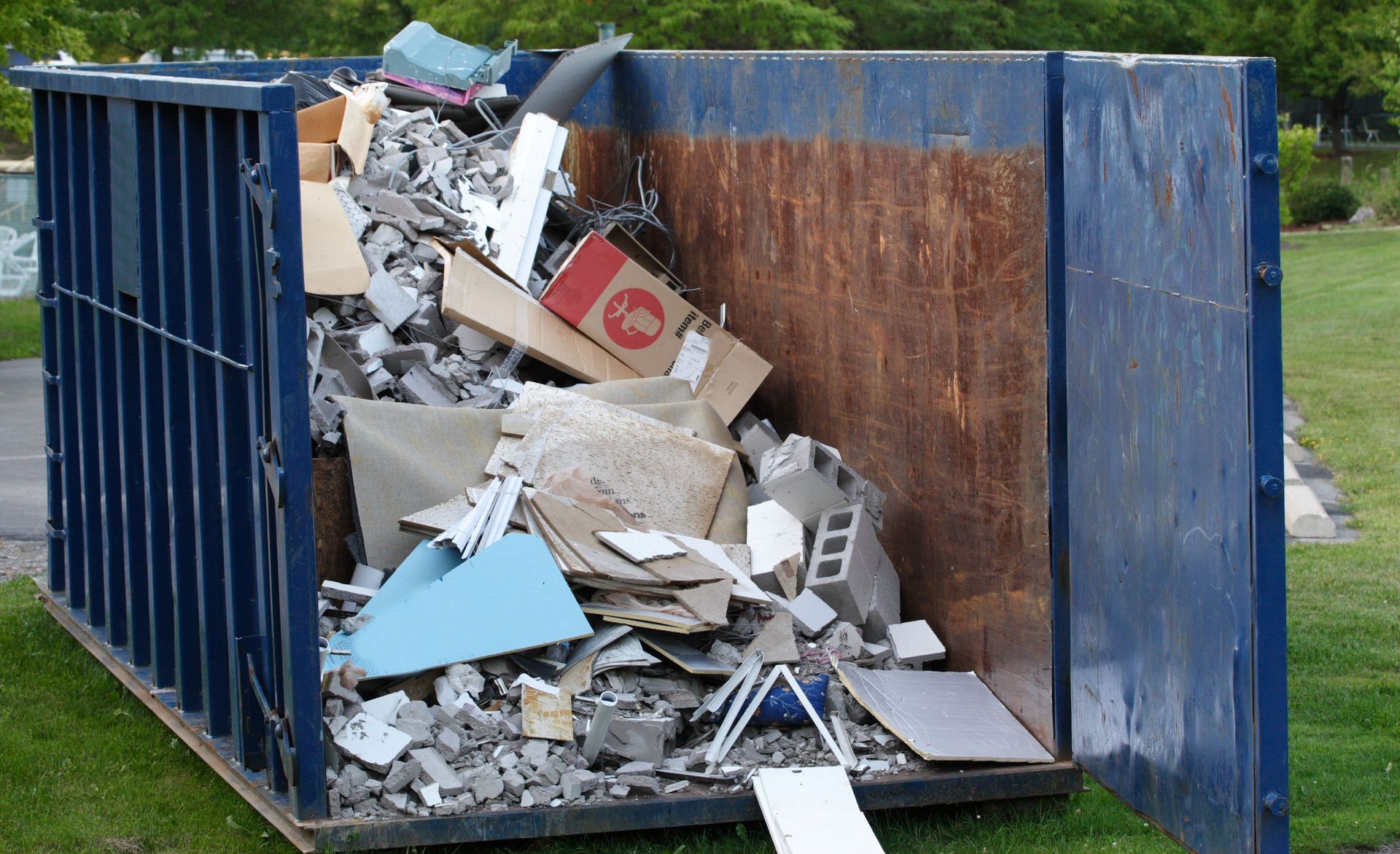
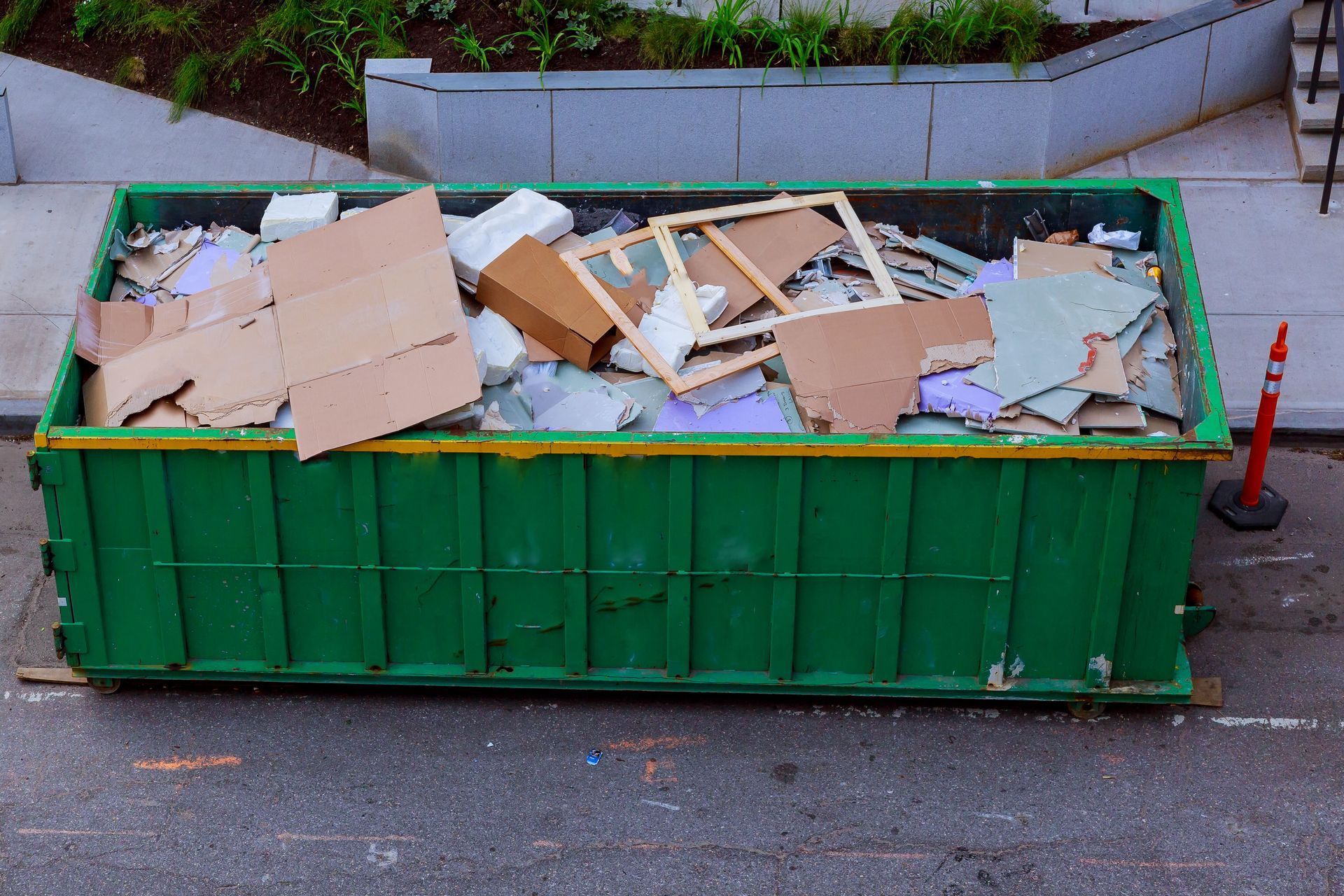
Efficient waste disposal often involves separating materials before they are placed in the dumpster. Some projects generate multiple types of debris, including wood, drywall, metal, and packaging materials.
Failing to organize these materials can reduce the amount of usable space in the container. Bulky items placed randomly may create gaps that prevent additional debris from fitting inside.
Organizing materials as they are loaded can help maximize the available capacity of the dumpster. This approach can reduce the likelihood of needing additional containers and help keep the job site tidy throughout the project.
Forgetting to Consider Environmental Impact
Waste disposal is not only about convenience; it also has environmental implications. According to Development Aid, every year about 80% of waste ends up in landfills. This statistic highlights the importance of responsible waste management practices.
Many dumpster rental providers partner with recycling facilities to help divert reusable materials from landfills. Sorting materials such as metal, wood, and cardboard can allow some of the debris to be recycled rather than discarded.
When booking a 30 yard dumpster rental, asking the provider about recycling options can help support more sustainable waste management practices while still keeping the project organized.
Not Understanding Rental Terms and Timeframes
Another mistake customers make is overlooking the terms of the rental agreement. Dumpster rentals typically include a designated time period during which the container can remain on the property.
If the project takes longer than expected, keeping the dumpster beyond the agreed-upon timeframe may result in additional daily charges. Similarly, scheduling a pickup too early could leave the project without a place to dispose of remaining debris.
Reviewing the rental terms carefully helps avoid misunderstandings and allows customers to plan their projects more effectively. Communicating with the rental provider about the project timeline can help determine how long the dumpster will be needed.
A well-planned 30 yard dumpster rental can simplify large cleanup projects and help keep job sites organized from start to finish. If you are preparing for a renovation, construction project, or large property cleanup, consider contacting Tuttle's Trucking & Recycling today to discuss your needs and schedule a container that fits your project timeline.