September 3, 2026
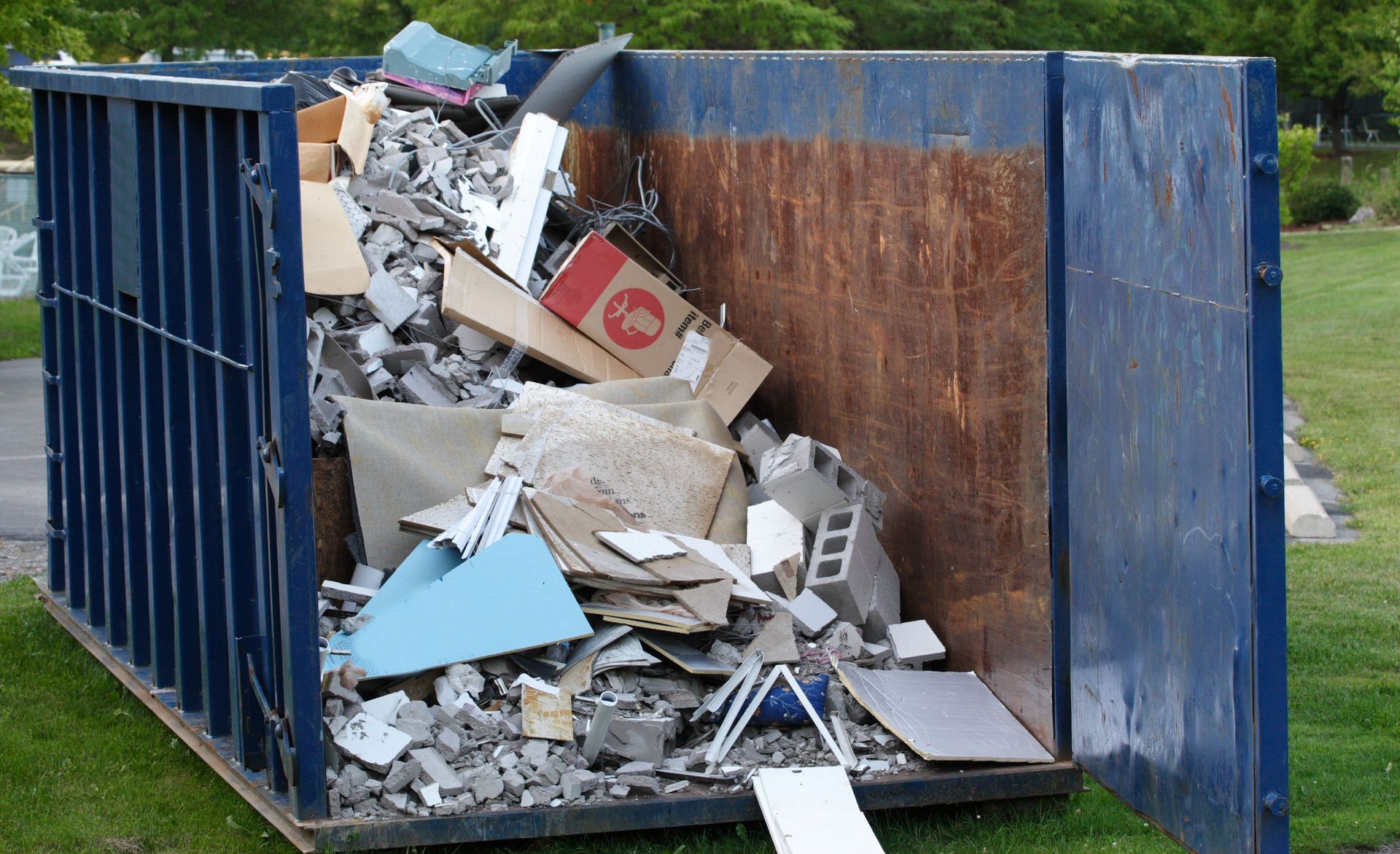
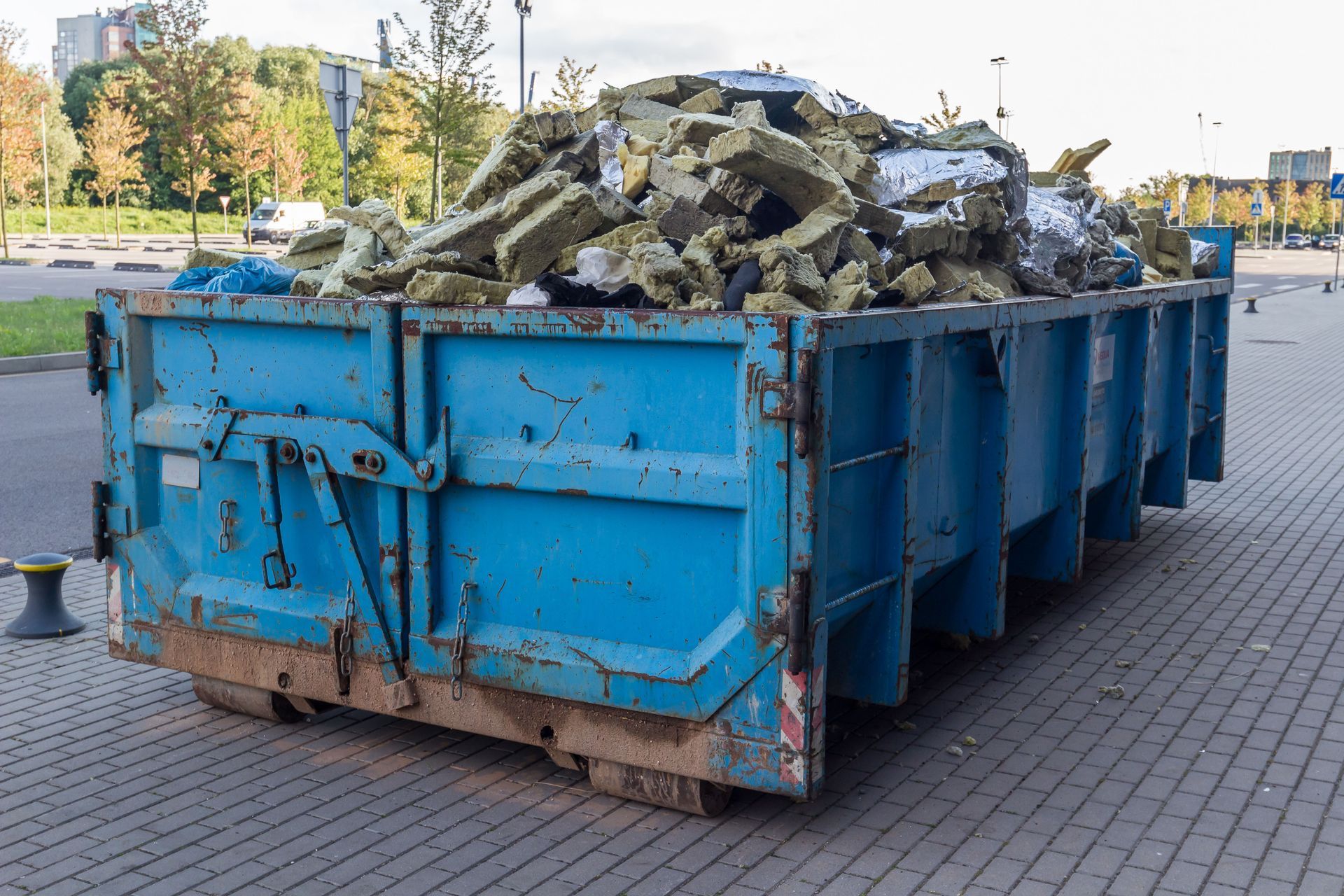
Managing large amounts of scrap metal during a major cleanup or construction project requires proper planning and the right disposal equipment. Securing a 20 yard dumpster rental provides the ideal capacity for hauling heavy, bulky metal items while keeping work sites safe and organized. Whether clearing out residential property, renovating a commercial building, or dismantling old equipment, efficient metal recycling reduces waste and preserves natural resources.
Maximizing space within a container involves strategic sorting, careful preparation, and smart loading techniques. Knowing how to handle different metal types ensures that material gets processed properly at regional recovery facilities. This guide walks through practical steps to streamline collection efforts, optimize container space, and make your next metal removal project seamless from start to finish.
Identify Valuable Scrap Metal Categories
Identifying different types of metal is the foundation of any successful haul. Ferrous metals contain iron and display magnetic properties, making them easy to separate using a simple magnet. Common items include structural steel, iron pipes, and heavy machinery parts. Non-ferrous materials like copper, brass, and aluminum do not contain iron and resist corrosion. According to statistics published by Worldmetrics, metals make up 45% of the recovered materials extracted from roll-off containers. Recognizing these distinct categories allows project teams to separate high-value non-ferrous items from general steel scrap prior to disposal.
Household cleanouts often yield substantial amounts of recyclable items that often go unnoticed. Old plumbing fixtures, electrical wiring, copper tubing, aluminum siding, and stainless steel appliances are prime candidates for recovery. Inspecting items visually provides immediate clues regarding material composition. Copper features a reddish-brown hue, while aluminum remains lightweight with a silver appearance. Selecting a 20 yard dumpster rental allows homeowners and contractors to collect these varied items in a single centralized location, maintaining an organized workspace while prepping materials for transport.
Plan Your Dumpster Delivery Strategy
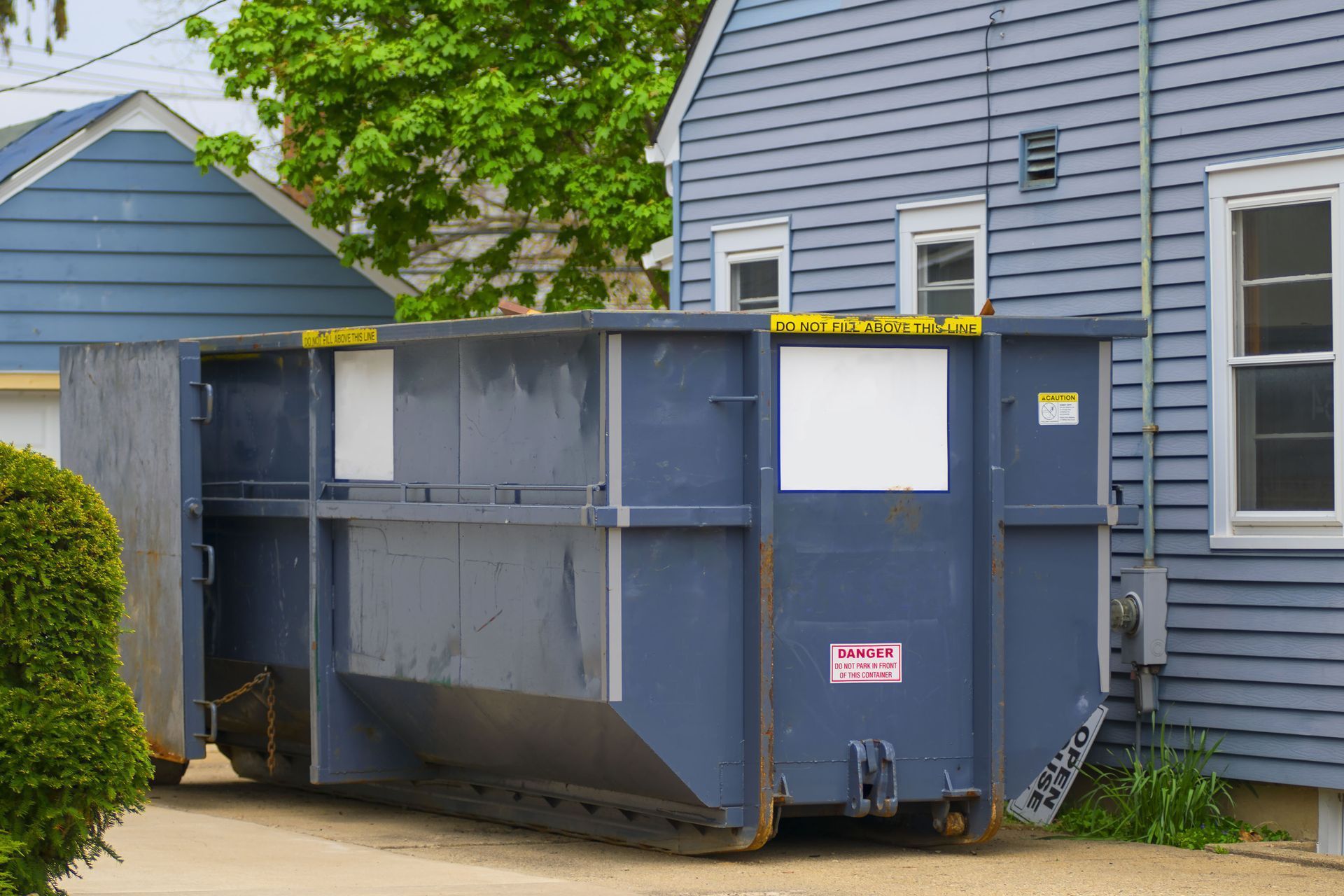
Successful waste management relies heavily on scheduling and project staging. Aligning the delivery of an open-top container with major demolition or cleanout milestones prevents job site clutter and avoids double handling of heavy items. Selecting a 20 yard dumpster rental provides substantial capacity for medium-to-large cleanup tasks without taking up excessive footprint on driveways or staging grounds. Evaluating project scope ahead of time ensures that the chosen container volume matches the physical weight and density of the gathered materials, supporting safe transport upon project completion.
Reviewing local municipal regulations and property guidelines is essential before positioning heavy container equipment. Certain towns require specific placement permits if a container sits on a public street or right-of-way. Working with a dependable local waste removal service guarantees compliance with environmental standards and proper waste diversion protocols. Proper communication regarding material restrictions ensures that non-approved items, such as hazardous chemicals or pressurized tanks, remain out of the collection vessel, allowing for smooth, hassle-free processing at regional materials recovery centers.
Prepare Scrap Materials for Disposal
Safety should always remain the top focus when collecting and processing heavy metal pieces. Workers ought to wear heavy-duty gloves, protective eye gear, and steel-toe boots to protect against sharp edges and heavy falling objects. Utilizing proper lifting techniques or mechanical lifting assistance prevents physical strain when moving oversized steel beams or cast-iron fixtures. Establishing designated sorting bins near the work zone allows crews to organize items by material type, separating valuable copper pipes and brass fittings from bulk iron components before final container loading takes place.
Cleaning and disassembling items prior to disposal dramatically improves overall processing efficiency. Removing non-metal attachments, such as plastic insulation, wood framing, or rubber hoses, ensures pure material loads that processing facilities can handle easily. Basic hand tools like wire brushes, wrenches, and reciprocating saws speed up the disassembly process without requiring specialized mechanical equipment. Utilizing a 20 yard dumpster rental gives crews ample space to consolidate these prepared materials neatly, ensuring that prepared scrap remains organized and ready for efficient hauling.
Optimize Space Inside the Container
Loading a roll-off container efficiently requires a structured approach to stacking and space management. Heavy, flat pieces like sheet metal, steel plates, or appliance housings should form a flat base layer across the bottom of the vessel. Stacking structural beams lengthwise along the side walls maximizes interior dimensions and prevents awkward void spaces. Filling smaller gaps with pipe cutoffs, copper wiring, and small iron brackets ensures maximum density throughout the container, allowing project managers to utilize every cubic yard of available capacity effectively.
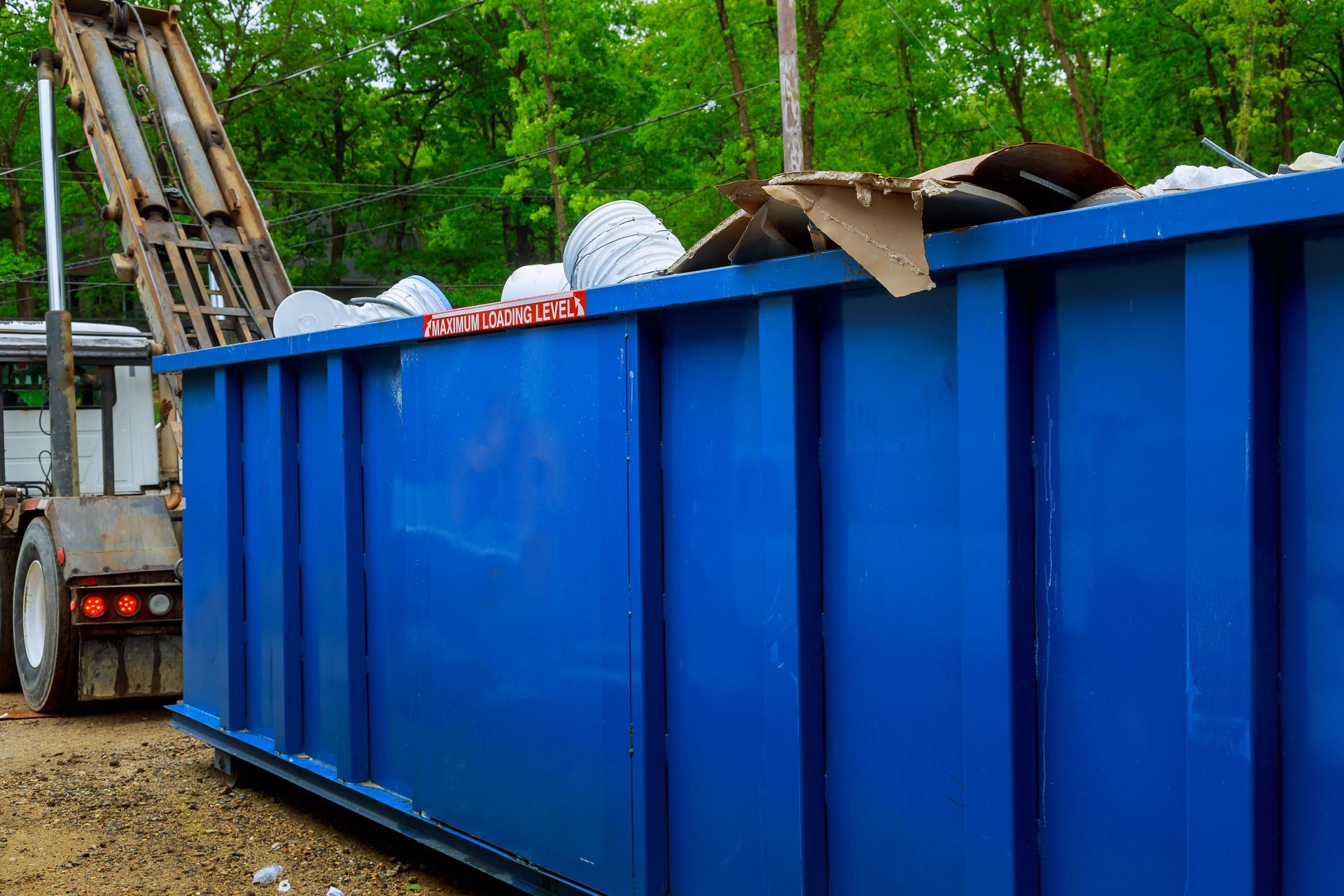
Maintaining proper weight distribution and container load limits prevents transport safety hazards. Distributing heavy iron pieces evenly across the floor prevents lopsided weight conditions that can complicate truck loading and transport. Avoid filling the container above the top rim, as loose metal extending past the walls poses severe roadway hazards during transit. Securing a 20 yard dumpster rental offers ideal sidewall height for easy side-loading while keeping material safely contained. Utilizing heavy canvas tarps or covers keeps rain out, preventing rust accumulation and keeping metals dry during storage.
Coordinate Processing With Scrap Centers
Establishing a smooth working relationship with local recycling centers streamlines the material handoff process. Researching regional facilities helps identify operations that specialize in processing specific metal grades, ensuring efficient handling of both ferrous and non-ferrous materials. Clear communication regarding load composition, delivery schedules, and vehicle access requirements eliminates delays upon arrival. Utilizing a dedicated 20 yard dumpster rental simplifies transport coordination, allowing large quantities of sorted scrap metal to reach processing hubs in unified shipments rather than through multiple small truck trips.
Understanding processing steps and documentation requirements ensures seamless commercial transactions. Processing yards weigh incoming vehicles to determine net material weight, verifying material classifications before offloading takes place. Maintaining accurate records, including ownership verification or site clearance paperwork, satisfies state regulatory standards and prevents administrative holdups. Following up with facility representatives regarding processing status fosters long-term commercial partnerships built on trust and reliability. Proper documentation practices safeguard project records while verifying that recovered metals enter legitimate supply chains.
Maximize Local Environmental and Economic Impact
Recycling scrap metal delivers substantial environmental benefits by conserving raw natural resources and reducing industrial energy consumption. Processing existing aluminum or steel requires significantly less energy than refining virgin ore from mining operations, directly lowering greenhouse gas emissions. Diverting heavy metal debris away from local landfills preserves valuable landfill capacity and prevents harmful soil contamination. Utilizing a 20 yard dumpster rental for dedicated scrap recovery aligns construction and renovation projects with broader environmental sustainability initiatives and regional waste reduction guidelines.
Contributing to a circular economy creates lasting ecological advantages for local communities. When recovered metals re-enter manufacturing supply chains, local industries benefit from consistent material availability without increasing resource extraction activities. Educating project teams on proper sorting and recovery techniques builds long-term habits that extend far beyond a single project. Implementing consistent recycling procedures across all jobs transforms standard waste management into an active sustainability strategy, encouraging cleaner job sites and supporting healthy, resource-efficient communities for years to come.
Efficiently managing metal waste requires careful planning, effective material sorting, and proper equipment selection. By organizing materials by grade, preparing items for processing, and loading containers systematically, property owners and contractors can maximize space and streamline disposal operations. Relying on a 20 yard dumpster rental provides the necessary volume and strength to handle demanding cleanouts, construction debris, and bulk scrap removal efficiently.
Adopting proactive recycling practices protects natural resources while keeping job sites safe, clean, and compliant. Whether tackling a major home renovation, a commercial facility update, or routine property maintenance, efficient waste management solutions keep projects moving forward smoothly. Contact us at Tuttle's Trucking & Recycling today to schedule your container delivery and let our team handle your next waste management project.